 Request
Appt
Request
Appt Call
Call  (408) 558-9444
Tooth Extractions – Campbell, CA
Expert Care from a Kind and Caring Dentist
No one wants to be told that they need a tooth extraction, and dentists typically do everything possible to avoid referring them if a viable solution presents itself. However, if a tooth is severely damaged or in danger of causing harm to the rest of your mouth and no other restorative options are available, Dr. Ho is not going to allow it to put your mouth in harm’s way. The good news is her office takes all the steps necessary to ensure that every step of your treatment is as comfortable as possible through referring out to our highly trusted specialists.
Do I Need a Tooth Extraction?

There are many situations where a tooth extraction is needed, one of the more common reasons being erupting wisdom teeth that the mouth cannot properly accommodate. However, other situations include significantly damaged teeth, either from tooth decay, gum disease or forced trauma from a sporting injury or bad fall. If you intend on pursuing orthodontic treatment, teeth may need to be extracted then as well.
Different Types of Tooth Extractions
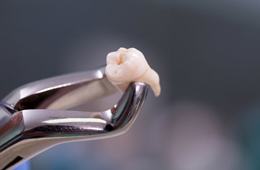
Every tooth extraction is unique, but that doesn’t mean that the process for removing tooth varies all that much. However, it should be noted that all those in need of an extraction can expect administration of analgesics to keep you as comfortable as possible.
Wisdom Tooth Extraction
Considered to be one of the most common tooth extraction procedures, wisdom teeth eruptions can easily cause existing teeth to become misaligned or crowded if they aren’t managed properly. They can also increase the risk of oral infection and tooth decay. Some choose to have them removed as a precautionary measure, but we’ll always recommend them if we believe they will cause harm later. Keep in mind that wisdom teeth are much easier to remove at a younger age when the roots have not fully developed.
Multiple Tooth Extractions
If you have extensive decay in multiple teeth or you simply have more teeth than usually due to genetics, you may need multiple extractions performed at the same time. Our referring specialists will go over your extraction procedure in great detail beforehand so that we can plan for eventual tooth replacement treatment. Multiple tooth extractions may also be needed if you need traditional metal braces placed.
Extraction Site Preservation
Once a tooth is extracted, our specialists will take the steps necessary to preserve your socket’s existing bone tissue. Through socket preservation, we can reduce the effects of bone deterioration, which begin as soon as teeth are extracted. By fortifying the bone as soon as we complete the extraction, you can improve your chances of receiving dental implants later.
Post-Operative Care

It is crucial that you follow all post-care instructions from our referring specialists. Doing so will help you avoid complications and ensure a speedy recovery. These steps include:
- Biting gently on your gauze pad to promote healing, reduce bleeding, and allow a clot to form.
- Resting for several days
- Keeping to a soft food diet and chewing on the opposite side of your mouth away from the extraction site
- Using a cold compress to reduce any swelling
- Avoiding the use of straws for the first 24 hours after surgery
- Maintaining positive oral care habits (while avoiding the extraction site)
- Giving our office a call if any issues arise (including extensive pain several days after treatment)
Understanding the Cost of Tooth Extractions
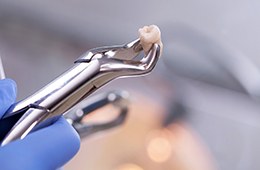
If you have a tooth that needs to be extracted, it’s natural to wonder how much this treatment will cost. However, because there are several important factors to consider when determining the price for this procedure, there is no way to give you an accurate quote until your tooth can be examined in person by Dr. Ho. To learn more, please schedule a consultation with us at your earliest convenience. In the meantime, here’s a closer look at how we’ll determine the total once you’ve been seen.
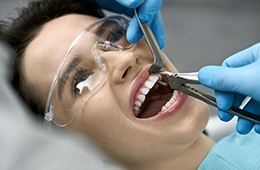


Tooth Extractions FAQs
Does Getting a Tooth Extracted Hurt?
Patients are often a little bit concerned about discomfort associated with their dental treatment, and particularly in the case of tooth extractions. Thankfully, you’ll be happy to learn that there isn’t much to worry about in this regard—before we remove your tooth, we’ll numb your mouth with a powerful anesthetic to ensure that the procedure is completely painless.
The most you’ll feel during the procedure is a slight pressure from the tooth being removed. However, if you’re concerned about feeling any kind of discomfort during your procedure, there’s nothing to worry about.
Is There an Alternative to a Tooth Extraction?
In many circumstances, tooth extractions are performed on severely infected teeth, ones that are damaged to an extent that other procedures will no longer be effective. In more mild cases, dental crowns or root canals may be enough to deal with infection, and this will usually be the first things we’ll try.
However, there are instances where the damage has already been done, and there’s no way to reverse it. In these cases, it’s best to remove the tooth in order to ensure that the infection doesn’t spread. This is the most common instance where we’d recommend a tooth extraction—if we’ve said that you need one, it’s likely because there’s nothing else that can be done for the tooth.
What’s the Recovery for Tooth Extractions Like?
While some patients are concerned about pain associated with the procedure itself, many others are much more worried about what the recovery process is going to entail. Thankfully, aftercare isn’t all that difficult if you keep a few things in mind:
- Get plenty of rest, especially in the 24 hours after the procedure.
- Avoid using straws or spitting excessively. This can create suction in the mouth and cause dry socket.
- Keep your mouth clean. Brush the rest of your teeth and gently swish with saltwater.
- Hold gauze over the wound if it’s bleeding, changing it as necessary.
- Stick to a soft food diet.
- Avoid smoking and drinking alcohol.
What Are My Options for Replacing a Missing Tooth?
While some patients are tempted to simply leave a gap in their smile, this is generally a bad idea—missing teeth will lead to problems with nutrition and can cause the surrounding teeth to come out of position.
You’ll be happy to learn that there are plenty of methods of tooth replacement, which means that there’s bound to be one that works for you. Dental bridges, for one, are capable of adhering to the natural teeth to replace anywhere from 1-4 consecutive teeth in a row. Dentures offer much greater coverage than that, capable of replacing most or all of the teeth on a gum ridge. And if you want the most stable tooth replacement possible, dental implants attach restorations to thin metal posts to give them incredible bite strength.
If you want to learn more about any or all of these tooth replacement options, we’ll walk you through them when we meet you in person for your consultation.