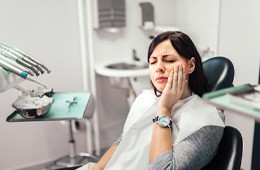
By nature, dental emergencies never tend to happen at a convenient or expected time. When these scary situations
strike, Dr. Karen Ho and her Campbell team are here to lend
a helping hand. We strive to accommodate emergency situations as soon as possible so that you’re never left
waiting for important relief, and Dr. Ho’s connections with local specialists will also help her ensure that
you receive dedicated care when you need it most. Please don’t hesitate to contact us right away!
Why Choose Karen Ho, DDS for Emergency Dentistry?
- Modern Diagnostic Technology
- An Experienced Dentist Who Cares
- In-Network with Delta Dental Premier
How We Handle Dental Emergencies
- Get in Touch: The first step you should always take if you find yourself in the midst
of a
dental emergency is to call our office. We try to see our patients in pain or with more severe oral health
issues as soon as possible. Our team can also provide you with first-aid guidance over the phone.
- Come in for an Examination: When you arrive at our office, our team will begin a
thorough
evaluation of your teeth and gums, and we’ll collect any necessary diagnostic tests or images, like
X-rays. Dr. Ho will walk you through her findings.
- Receive a Treatment Plan: Based on Dr. Ho’s findings, our team will put together
a
treatment plan to address your diagnosed problem. We’ll answer any questions you may have and present
you
with a detailed cost estimate so you know what to expect moving forward.
- Restore Your Oral Health: Once you consent to moving forward with treatment, our team
will
get to work!
The Most Common Dental Emergencies
Dental emergencies are typically sudden, alarming, and often overwhelming. That’s why it’s essential
that
you know how to handle these scary situations before they strike. This knowledge can help you stay calm and act
correctly so you can take care of your smile until you can reach our emergency dental office in Campbell. If you
experience a dental emergency, give us a call right away.
Understanding the Cost of Emergency Dentistry
There are many different variables that can impact the cost of your emergency dentistry treatment. That’s
why
we’ve outlined some of the factors that are considered when deciding the price of your emergency care.
Each
patient’s smile is different, which can lead to a range of prices. Keep reading to learn more about what
you
can expect when it comes to the cost of your dental emergency.
Learn More
Every Dental Emergency is Different
Because no two smiles are exactly the same, your emergency dentistry treatment cost can vary. There
are
several
factors that contribute to the price of your visit, including:
- Type of treatment required: Primarily, the type of treatment that
you
need
will
determine the cost. Dr. Ho has a wide range of restorative options for problems like chipped,
cracked,
broken,
and lost teeth as well as toothaches and more.
- Severity of your dental issue: Generally speaking, the more severe
your
dental
emergency is, the more costly it will likely be to treat.
- Location: If you’re visiting a dentist in the city, their
services
may
come
with a higher price simply because the cost of living is increased in populated areas.
Does Dental Insurance Cover Dental Emergencies?
Not all dental insurance policies are exactly the same; you should review your benefits to make sure
you
have
a
firm
grasp of what services are covered. That being said, you can typically expect your dental insurance
company
to
be
willing to help pay for many of the treatments that are often recommended for addressing urgent
dental
issues.
Remember, factors such as your deductible and your annual maximum can potentially affect the amount
that
you
need to
pay out of your own pocket.
Options to Make Your Visit More Affordable
Dr. Karen Ho is committed to quality dentistry that is also affordable. That’s why our friendly
front
desk
team
will help you maximize your insurance benefits while minimizing your out-of-pocket costs. However,
even
if
you
don’t have insurance, we can help you apply for a third-party financing plan from CareCredit.
This
gives
you
the option of paying for your care in smaller installments that are easier on your budget.
Taking Care of Your Smile Can Save You Money
Dental emergencies should be treated as soon as possible! This is not only for the sake of your
health;
the
fact
is
that prolonging treatment can result in more extensive and expensive dentistry in the future. For
example, a
simple
root canal can turn into needing a tooth extraction, which will then require a replacement.
That’s
why
it’s better for your wallet in the long run to contact our office as soon as you notice
something
is
wrong
with your smile.
How to Prevent Dental Emergencies
When it comes to the health of your teeth and gums, prevention is paramount. And while accidents are bound to
happen,
there are a few tried and true best practices that can protect you from the most common dental emergencies, like
knocked-out, chipped, or cracked teeth. If you would like to learn more about how to prevent dental emergencies
in
Campbell, keep reading!
Learn More
Visit Your Dentist Regularly
Your dentist is your teeth and gums’ greatest ally. At your biannual appointments, they can
remove
stubborn
plaque, clean every nook and cranny of your mouth, and catch dental concerns like gum disease and
cavities in
the
early stages. Therefore, neglecting to visit the dentist can have serious repercussions on your oral
health,
leaving
you vulnerable to everything from a small crack to a large abscess. To prevent that from happening,
make
sure to
schedule a professional checkup and cleaning every six months!
Maintain Good Oral Hygiene Habits at Home
To ensure food particles, plaque, and bacteria don’t cling to your teeth and wreak havoc on your
oral
health,
it’s crucial to implement a solid dental care routine daily. In addition to brushing twice a day
and
flossing
daily, make sure to always clean your tongue (from back to front), use mouthwash regularly, and avoid
poor
dental
habits, like smoking and chewing on ice. Alone, these measures may seem small, but together they play a
crucial
role
in protecting your teeth from a dental emergency.
Be Careful with Your Diet
The foods you consume have a direct impact on the condition of your teeth and gums. While vitamin-rich
vegetables
and
fresh fruit help strengthen your teeth from the inside out, foods and beverages that are sugary, acidic,
or high
in
carbohydrates are culprits of the accumulation of harmful oral bacteria. Therefore, it’s best to
view your
diet as your first line of defense against severe decay, painful cavities, and other common dental
emergencies.
Protect Your Pearly Whites
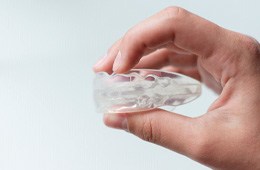
Do you often grind and clench your teeth while you’re asleep? This is known as bruxism, and it
can
often
lead
to serious dental damage. In order to keep your smile safe, it’s a good idea to wear a
personalized
nightguard
when you go to bed. This appliance can protect your teeth from bruxism-related damage by preventing
the
upper
and
lower arches from making direct contact with each other.
Use Tools, Not Teeth, to Open Packaging
Out of sheer convenience, you may tear into a package or chip bag with your chompers instead of the
appropriate
tools. However, all it takes is one time for your teeth to be the ones to give, turning your otherwise
pleasant
day
into an anxiety-filled trip to our emergency dental office in Campbell. Therefore, always reach for the
scissors, a
bottle opener, or a helping hand before you use your teeth.
Dental Emergency FAQs
What Should I Do If My Tooth Gets Knocked Out?
The most important thing to remember when a tooth is dislodged is to resist the urge to panic. However,
you’ll
need to act quickly because there is a small window of time for us to successfully reinsert the tooth. After
giving
us a call, locate the tooth and carefully rinse it under cool water, then attempt to reinsert it or store it
in
a
cup of milk or water until you visit our office.
Should I Go to the ER for a Soft Tissue Laceration?
When you receive a cut to your gums, lips, or cheeks, the first priority is to stop the bleeding. You can
apply a
cotton gauze to the area and gently apply pressure. If this doesn’t suffice and the bleeding continues
for
more than 10 minutes, then you should head to the emergency room.
What Should I Do If I Have a Toothache?
In most cases, a toothache is the result of prolonged dental negligence. In such situations, you can start by
carefully flossing the painful site to make sure there isn’t any food lodged between your teeth. If
that
isn’t the source of your discomfort, then take an over-the-counter pain reliever like ibuprofen, and
apply
ice
to the outside of your jaw to reduce the discomfort and any swelling until you can visit our office.
What Should I Do If I Lost a Filling or Crown?
A lost filling or crown can leave your tooth exposed to debris and oral bacteria. As a temporary solution,
try to
recover the restoration, rinse it under cool water, add a dollop of toothpaste or dental wax, and attempt to
reinsert it. Until you can visit us for emergency care, avoid any activity on that side of your mouth.
 Request
Appt
Request
Appt Call
Call  (408) 558-9444